Do you need a permit for skips on Marylebone High St?
Posted on 05/07/2026
If you are planning a clear-out, small renovation, or builders' job in central London, one question comes up fast: Do you need a permit for skips on Marylebone High St? In many cases, yes-especially if the skip will sit on a public road, take up part of the carriageway, or affect parking and traffic flow. Marylebone High Street is busy, narrow in places, and not the kind of road where you can assume a skip can simply appear overnight.
That said, the answer is not always black and white. Whether you need a permit depends on where the skip goes, how long it stays, and what local conditions apply at the time. If you're trying to avoid fines, delays, or a very awkward phone call from someone asking why a large metal container is sitting outside the property, this guide will walk you through the practical side of it all.
You'll find a clear explanation of when permits are usually required, how the process works, what tends to catch people out, and what to do if you'd rather avoid the skip-permit headache altogether. A lot of homeowners and contractors on Marylebone High St end up choosing a more flexible waste collection option once they understand the rules. And honestly, sometimes that's the sensible route.
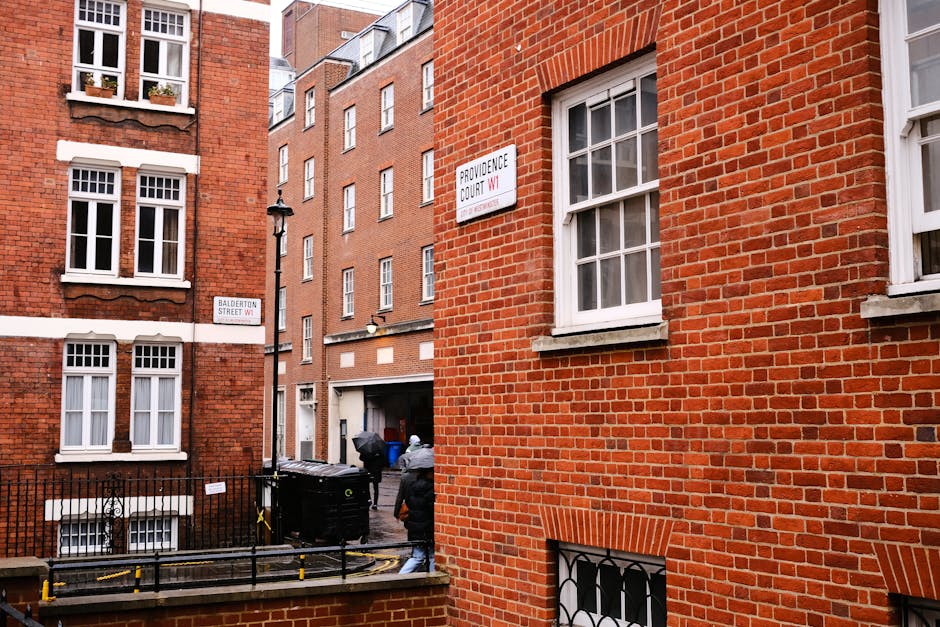
Why the permit question matters on Marylebone High St
Marylebone High Street is a lively, high-footfall part of the West End, with shops, restaurants, residential buildings, office spaces, and side streets all competing for limited space. That alone makes skip placement more sensitive than it would be on a quiet residential road. If a skip lands on the public highway without the right permission, the result can be more than just inconvenience. It can trigger enforcement action, extra costs, or a forced removal.
For residents, the issue is usually about access and safety. For landlords and managing agents, it's about keeping communal areas clear and making sure the building remains usable. For builders, the risk is project delay. One missed permit can hold up a job that was otherwise running smoothly. You know how it goes: one small admin detail, and suddenly the whole week gets a bit messy.
It also matters because Marylebone High St is not a place where waste can be left casually and forgotten. Space is tight, pedestrians are constant, and loading restrictions may apply nearby. If you're comparing this to a general house clearance in a quieter part of NW1, the logistics are simply more demanding. For that reason, many people choose to plan waste removal alongside other services such as waste disposal in Marylebone or a quicker all-in-one collection rather than assume a skip will be the easiest answer.
How skip permits work in practice
In plain English, a skip permit is permission to place a skip on public land, usually the road or pavement where local rules allow it. If the skip goes fully within private property, such as a driveway, courtyard, or private forecourt, a permit is often not needed. But "often" is the key word there. Access, ownership, and local restrictions all matter.
On streets like Marylebone High St, the practical question is not just "can a skip physically fit?" but "is the placement lawful, safe, and operationally workable?" In many cases, the permit is arranged through the relevant local highway authority or via the skip provider if they manage the application process. The skip itself also has to be positioned correctly and marked properly, usually with safety features such as lights or reflective markings if required.
A few real-world points are worth keeping in mind:
- If the skip is on a public road, a permit is commonly required.
- If the skip is on private land, you may avoid the permit, but access and space still need to be suitable.
- Time limits are usually part of the permission, so a skip can't just sit there indefinitely.
- Some sites are awkward because of loading bays, parking controls, or narrow traffic lanes.
- Contractors sometimes forget that even "temporary" placement can still count as highway occupation.
If your project involves construction debris, it may be worth reading about builders' waste disposal in Marylebone before committing to a skip. In busy streets, a managed collection can be easier than trying to coordinate a permit, delivery slot, and removal window all at once.
One subtle point: the permit is not usually something you personally "stick on the skip." It is more about approval and compliance in the background. The skip provider should explain what is needed, but the responsibility for getting the details right is still something you want to check, not just trust blindly. Let's face it, skip admin is not exactly thrilling, but it is cheaper than fixing a mistake later.
Key benefits and practical advantages
There are good reasons people still use skips, even in areas where permits make life slightly more complicated. For some jobs, they are convenient and predictable. You can load waste at your own pace, which is helpful during longer DIY projects or phased refurbishments.
Here are the main advantages:
- Flexible loading: useful if waste is produced over several days.
- Good for bulky mixed waste: especially during renovations or major clear-outs.
- Simple on-site storage: everything stays in one place until collection.
- Useful for contractors: where debris is created gradually rather than all at once.
- Clear separation of waste: easier to sort materials on-site if needed.
But those benefits only really hold up if the location is suitable. On Marylebone High St, the cost and effort of securing a permit can reduce the appeal. You may be better off comparing the skip route with a direct collection service, particularly if you need speed, flexibility, or help with loading. A lot depends on how much waste you have and how fast you want it gone.
If your priority is minimal disruption, a service such as rubbish collection in Marylebone can sometimes be a neater fit than a skip parked outside. That's especially true when you do not want a large container sitting in a busy streetscape for several days, which, to be fair, can look a bit grim outside a smart building.
Who this is for and when it makes sense
This question matters to several kinds of reader, and each one has a slightly different use case. If you are a homeowner doing a clear-out, you may be thinking about furniture, old fittings, or leftover DIY debris. If you manage a flat refurbishment, you may be balancing tradespeople, neighbours, and building access. If you run a business, you may be dealing with office strip-out waste and time pressure.
Typical situations where the skip-permit question comes up include:
- Flat renovations where materials need to be removed steadily
- House clearances where items build up over a few days
- Shop refits or office changes along or near Marylebone High St
- Builders' jobs that generate plasterboard, timber, packaging, and rubble
- Garden or loft clearances where the waste volume is higher than expected
If you are dealing with a property clearance rather than a building job, you may find a dedicated service more practical. For example, house clearance in Marylebone or office clearance in Marylebone can remove the need to park a skip at all. That is often a relief where residents, staff, or neighbours need access throughout the day.
There is also the commercial side. Shops, offices, and landlords often have less tolerance for an untidy frontage. If waste is tied to a business operation, options such as commercial waste removal in Marylebone may give you a cleaner process, especially if you want the rubbish gone quickly and the site back to normal without a bulky container lingering outside.
Step-by-step guidance
If you're still deciding whether to use a skip, this is the practical way to work through it. No drama, just the facts in order.
- Work out where the skip would go. Private property or public highway? This is the first split. If it cannot sit entirely on your land, a permit question is likely to follow.
- Estimate the waste volume. A small house clear-out is very different from a full refurbishment. Overestimating can leave you paying for more capacity than you need. Underestimating is even worse.
- Check access conditions. Think about width, turning room, loading restrictions, low bridges, nearby parking, and whether delivery trucks can stop safely.
- Confirm permit requirements early. Do not leave this until the day before. If a permit is needed, timing can matter.
- Decide whether a skip is really the best tool. In some cases it is. In others, a man-and-van collection or same-day clearance is simpler.
- Plan for loading and segregation. Make sure prohibited waste is not mixed in, and keep heavier materials properly distributed.
- Schedule removal before the site gets messy. The longer waste sits around, the harder it is to manage neatly.
If your project is mainly demolition or building work, a specialist route such as builders' waste disposal in Marylebone W1 may be more efficient than trying to manage a road-facing skip on a tight schedule. Same idea, less hassle.
A small but important tip: ask how loading will happen. People often focus on the permit and forget the practical part, like whether waste will be carried down several flights of stairs or wheeled through a narrow entrance. Those details can change the whole plan.
Expert tips for better results
In our experience, the people who have the smoothest waste clearances are the ones who plan the boring bits early. Not glamorous, but effective.
- Use the shortest sensible hire period. The longer a skip stays on a public road, the more exposure you have to disruption or delays.
- Choose the right size first time. Too small means overflow or a second collection. Too large can be unnecessary cost.
- Think about the street, not just the waste. On Marylebone High St, timing can matter as much as capacity.
- Ask about mixed waste rules. Some loads need careful separation.
- Get clarity on who applies for the permit. Do not assume it is handled unless it is confirmed in writing or clearly explained.
- Keep neighbours and building staff informed. A little notice goes a long way. People are far less bothered when they know what is happening.
If you are clearing furniture, appliances, or odd bulky pieces, you may not need a skip at all. Services such as furniture disposal in Marylebone and white goods and appliance disposal in Marylebone can be better suited to one-off items. That can save space, time, and the awkwardness of trying to fill half a skip with one sofa and a kettle. It happens more than you'd think.
Another practical win: if your priority is recyclability and responsible disposal, ask how material is sorted after collection. A reputable operator should be able to explain the handling process in plain language. That is where services with a clear sustainability focus, like recycling and sustainability, can add real value beyond simple removal.

Common mistakes to avoid
Most problems with skip use on Marylebone High St come down to assumption. Someone assumes the pavement is fine, assumes the permit is automatic, assumes the skip can remain for "just another couple of days," and then the situation gets complicated. A bit annoying, yes. Also avoidable.
- Ignoring the highway issue: if part of the skip is on public land, do not treat it casually.
- Leaving permit planning too late: this is one of the easiest ways to delay a project.
- Ordering the wrong size skip: a frequent and expensive mistake.
- Mixing restricted waste in the load: this can create collection problems and disposal complications.
- Blocking access points: on a busy street, this becomes more than an inconvenience.
- Assuming a skip is always cheaper: once permit and disruption costs are included, the maths can change.
There is also the less obvious mistake of overlooking building rules. If you are in a managed block, leasehold property, or estate, the property manager may have their own restrictions even before the street rules come into play. That comes up often in Marylebone, especially in mixed-use or period buildings.
If you want to avoid hidden surprises, it can help to read about hidden fees in Marylebone rubbish quotes and think beyond the headline price. A cheap quote is not a bargain if it later grows legs.
Tools, resources and recommendations
You do not need a complicated toolkit to make a sensible decision here. What you do need is a clear plan and a few basic checks.
- Measure the waste area: even rough measurements help when deciding between skip sizes or removal methods.
- Photograph the site: useful if you need to discuss access, parking, or positioning.
- List the waste types: rubble, timber, furniture, green waste, appliances, and mixed household rubbish all behave differently.
- Check building access times: especially if lifts, loading doors, or concierge arrangements are involved.
- Ask for a written scope: it helps prevent "I thought that was included" conversations later.
For many readers, the most useful next step is to compare traditional skip use with a collection-based alternative. If you want fast uplift without dealing with roadside placement, services like Marylebone junk removal and rubbish removal in Marylebone are often the simplest route. If you are clearing a loft, garden, or mixed household load, there are also focused options such as loft clearance in Marylebone and garden waste removal in Marylebone.
And if you care about compliance, which you absolutely should, look closely at waste carrier licence and compliance. Any waste-handling service should be able to explain how it operates responsibly. That is basic professionalism, not a bonus feature.
Law, compliance, standards, or best practice
For skip placement on a public road, compliance is the central issue. The details can vary by location and by the nature of the street, but the principle is straightforward: you should not place a skip on public land without the proper permission. On a busy road like Marylebone High St, that usually means checking permit rules carefully before anything is delivered.
Best practice also extends beyond the permit itself. Safe placement, proper lighting or marking where needed, sensible loading, and keeping access unobstructed are all part of doing the job properly. In central London, these are not merely niceties. They are part of reducing risk to pedestrians, cyclists, vehicles, and the property itself.
For commercial jobs, there may be additional building management requirements, insurance expectations, and working-hour limits. If you are a landlord, managing agent, contractor, or business owner, it is wise to confirm these in advance rather than after a skip has already arrived. Reversing a bad setup is always more annoying than setting it up right the first time.
It's also sensible to work with operators who take safety seriously. A page like insurance and safety gives you a sense of the standards you should expect: careful lifting, proper handling, and sensible operational controls. None of this is flashy, but it matters if you want a smooth project and fewer surprises.
Options and comparison table
Here is a simple comparison to help you decide whether a skip is really the right fit for Marylebone High St.
| Option | Best for | Pros | Watch-outs |
|---|---|---|---|
| Skip on public road | Longer projects with ongoing waste | Large capacity, flexible loading | Permit needed, occupies street space, can be disruptive |
| Skip on private land | Properties with driveways or forecourts | May avoid permit, convenient access | Needs enough space and safe access, not always possible in central London |
| Man-and-van collection | One-off clear-outs and fast removals | No roadside container, quicker turnaround | Less useful for waste produced over many days |
| Specialist clearance service | House, office, loft, or bulky item clearances | Less admin, loading help included, tidy finish | May require booking a time slot rather than self-loading |
If you are weighing up options for a flat, an office, or a mixed-use property, a service-led approach often works better than a static skip. That is especially true if you need someone to remove items from inside the property rather than leave everything at the kerb. For office moves, office clearance in W1 Marylebone NW1 can be the more practical route.
Case study or real-world example
Picture a small refurb on Marylebone High St: new flooring, some kitchen updates, old underlay, packaging, timber offcuts, and a few bulky bits of furniture left behind by the outgoing tenant. At first glance, a skip seems like the obvious choice.
Then the reality lands. There is limited frontage. The road is busy from morning until evening. A permit would be needed for roadside placement, and the building manager wants to avoid anything blocking access for deliveries. The contractor still needs waste removed as the job progresses. Suddenly the "simple" skip idea looks less simple.
In a situation like that, the better answer may be a combination of selective collections and targeted clearance. For instance, bulky furniture can be removed separately, packaging can go in a scheduled collection, and builders' waste can be cleared as the job progresses. A more flexible setup can keep the site clean without tying up a patch of road for a week.
That is also why local context matters. On a street like Marylebone High St, the best waste solution is rarely just the cheapest on paper. It is the one that fits the building, the timing, the neighbours, and the council conditions without making life harder than it needs to be.
A good local reference point is this Marylebone High Street rubbish removal guide, which helps frame how local access and street conditions shape the best disposal choice. The same goes for nearby busy spots where logistics matter just as much as price, like Baker Street junk removal and rubbish removal near the Wallace Collection.
Practical checklist
Use this checklist before you book anything. It saves time, and a bit of stress too.
- Have you confirmed whether the skip would be on private or public land?
- Have you checked whether a permit is likely to be needed?
- Do you know the waste type and approximate volume?
- Have you checked access width, parking, and delivery space?
- Have you clarified who handles the permit application?
- Have you asked about permit timing and duration?
- Do you know what cannot go into the skip?
- Have you compared skip hire with a direct collection alternative?
- Have you reviewed building or landlord rules if you are in a managed property?
- Have you considered whether the waste needs specialist handling?
If your project is a house move, pre-sale clear-out, or estate clean-up, you may also want to look at Dorset Square house clearance tips and how to reduce clearance disruption for flats on W1U estates. Those local context pieces are useful because the practical issues in Marylebone are not theoretical. They show up in lift access, front-door timing, and whether a road can take extra obstruction without causing trouble.
Conclusion
So, do you need a permit for skips on Marylebone High St? In many cases, yes-if the skip is going on the public highway, a permit is usually part of the plan. If it can sit fully on private land, you may avoid that step, but access, space, and local building rules still need attention.
The bigger takeaway is this: on a busy central London street, the skip decision should be made around logistics, compliance, and disruption-not just size or price. Sometimes a skip is the right answer. Sometimes a faster, cleaner collection service is the smarter one. The best choice is the one that makes the work easier rather than creating a second problem you have to manage.
If you are still weighing up the most practical route for your property, remember that a good waste plan is not about making noise. It's about keeping the job moving, the frontage clear, and everyone sane enough to get through the week.
Get a free quote today and see how much you can save.