Westminster Council rules for bulk waste in Marylebone
Posted on 26/06/2026
Westminster Council rules for bulk waste in Marylebone: a practical local guide
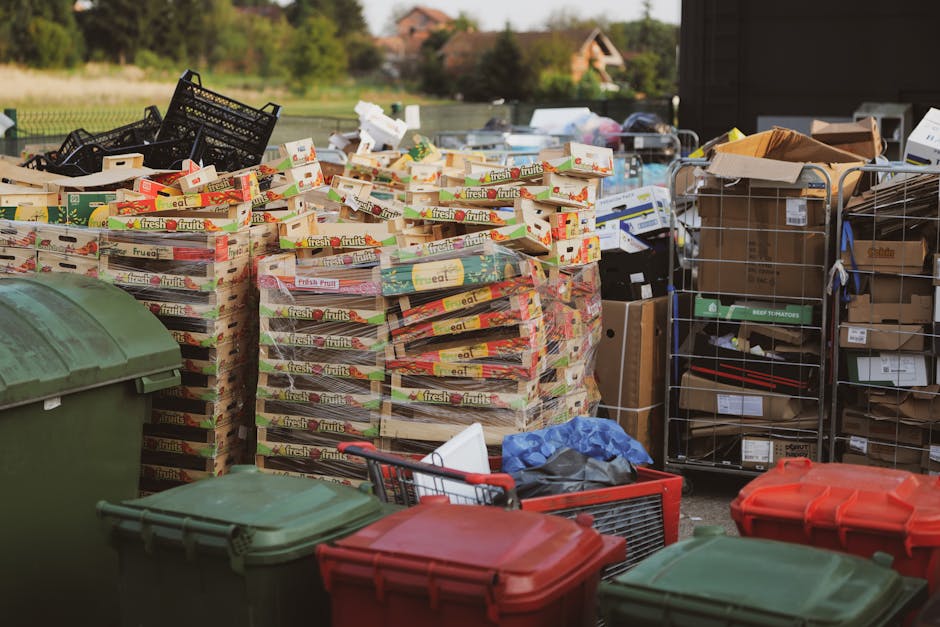
If you live or work in Marylebone, bulk waste has a way of turning into a bigger headache than it should. One old sofa becomes two bags, then a broken table, then a "we'll deal with it next week" situation. The Westminster Council rules for bulk waste in Marylebone matter because they shape what you can leave out, when you can leave it, and what happens if you get it wrong. In plain English: this is about staying tidy, avoiding hassle, and keeping your building, pavement, and neighbours onside.
This guide breaks down the practical side of bulky items, council expectations, and the decisions that make disposal smoother. You'll also find a comparison of common options, a checklist, and a realistic step-by-step approach you can actually use. No fluff. Just the stuff that helps on a busy Marylebone street where space is tight and timing counts.
- Why Westminster Council rules for bulk waste in Marylebone matters
- How Westminster Council rules for bulk waste in Marylebone works
- Key benefits and practical advantages
- Who this is for and when it makes sense
- Step-by-step guidance
- Expert tips for better results
- Common mistakes to avoid
- Tools, resources and recommendations
- Law, compliance, standards and best practice
- Options, methods, and comparison table
- Case study or real-world example
- Practical checklist
- Conclusion
- Frequently asked questions
Why Westminster Council rules for bulk waste in Marylebone matters
Marylebone is not the kind of place where bulk waste can just be abandoned and forgotten. Streets are compact, loading bays are often busy, and many buildings rely on shared access points, narrow frontages, or resident rules. That means the council's bulk waste expectations are not just a bureaucratic detail; they directly affect day-to-day life.
For residents, the rules help stop bulky items from blocking pavements, attracting complaints, or becoming a safety issue. For landlords and property managers, they help avoid unnecessary disruption between tenancies. For businesses, the stakes are even higher because improper disposal can create reputational issues as well as practical ones.
There's also a simple truth here: when bulky waste is managed properly, everything feels easier. The lift stays usable. The hallway stays clear. The van arrives, the items go, and everyone gets on with their day. That sounds basic, but in Marylebone it can save a lot of stress.
If you are dealing with a larger clean-out, it may be worth looking at broader support such as waste clearance in Marylebone or, for bigger domestic jobs, house clearance in Marylebone. Those services can be useful when a single item has quietly turned into a full-scale clear-out. Happens more often than people admit.
How Westminster Council rules for bulk waste in Marylebone Works
Bulk waste usually refers to items that are too large for ordinary weekly collection. Think sofas, mattresses, wardrobes, tables, broken chairs, white goods, and similar household or commercial items. The exact handling method depends on what the item is, how much there is, where it is located, and whether it is the council's collection route or a private removal service.
In practice, there are a few common routes:
- Council bulk collection arrangements for residents who want an approved local disposal route.
- Private rubbish collection where a licensed provider collects and removes items directly.
- Specialist disposal for items like appliances, furniture, or mixed loads that need sorting and careful handling.
What tends to catch people out is that bulk waste is not the same as general bagged rubbish. A bulky item may need advance booking, specific presentation, or separate treatment if it contains hazardous components. For example, a fridge is not just "another bit of junk"; it may need appliance-specific handling. Likewise, a mattress or office desk may be accepted differently from a broken bag of mixed materials.
In Marylebone, access matters almost as much as the waste itself. If you live in a flat above a shop, a mansion block, or a tight mews property, the removal plan should account for stairs, door widths, parking, and the time needed to move things safely. If that sounds obvious, it is. But the obvious things are often what go wrong first.
Key Benefits and Practical Advantages
Following Westminster Council rules for bulk waste in Marylebone is not just about avoiding a telling-off. There are very real practical benefits.
- Cleaner streets and communal areas - less clutter outside homes and buildings.
- Fewer complaints from neighbours or building management - especially in shared blocks.
- Lower risk of rejected collections - correct presentation usually means fewer delays.
- Better recycling outcomes - separated items are easier to sort responsibly.
- Less disruption - good planning keeps hallways, entrances, and loading spaces clear.
There is also a trust benefit. If you are a landlord, letting agent, or office manager, handling bulk waste properly shows you are organised. That matters in a place like Marylebone, where people notice details. A neat entrance and an orderly collection are small things, but small things shape first impressions.
For commercial settings, the right approach can prevent unnecessary downtime. An office clear-out, for instance, often involves desks, chairs, monitors, shelving, and mixed equipment. In those situations, it can make sense to review office clearance in Marylebone or W1 office clearance support rather than trying to improvise. A half-planned removal tends to become a whole-day problem. And nobody wants that.
Who This Is For and When It Makes Sense
This topic is relevant to more people than you might expect. Bulk waste rules affect anyone in Marylebone who has items too large for normal rubbish collection.
- Flat owners and tenants clearing old furniture or moving out.
- Landlords and managing agents dealing with end-of-tenancy waste.
- Homeowners replacing furniture, appliances, or loft contents.
- Local businesses removing office furniture, stock fixtures, or equipment.
- Contractors and renovators who need a legal route for bulky construction-related waste.
It also makes sense when the item is awkward, heavy, or time-sensitive. Maybe the old sofa has to go before a new one arrives. Maybe a fridge is blocking a kitchen refit. Maybe an office needs to be handed back by Friday and the clock is very much ticking. In those cases, a straightforward collection can be more valuable than trying to work around the council schedule.
If your load includes a mix of general junk and larger items, a broader service such as Marylebone junk removal or rubbish collection in Marylebone may fit better. It depends on the volume, access, and how quickly you need the space back.
Step-by-Step Guidance
If you want to handle bulky waste without drama, use a simple process. The less guesswork, the better.
- List every item
Walk through the space and write down what needs to go. Separate furniture, appliances, garden waste, builders' debris, and general clutter. A quick list now saves confusion later. - Check what needs special handling
White goods, fridges, freezers, and some electrical items may need separate treatment. If you are unsure, do not assume they can go out with everything else. - Measure access points
Stairs, lifts, doorways, shared hallways, and parking all matter. In Marylebone, access is often the real constraint, not the waste itself. - Decide whether council collection or private removal fits best
If timing is flexible and the load is simple, council arrangements may work. If you need speed, extra lifting, or mixed items, private removal can be easier. - Prepare the items properly
Break down what can be safely dismantled. Remove loose contents. Keep pathways clear. If it is a shared building, let residents or building staff know in advance. - Book the removal or collection
Confirm the date, time window, and what will happen on the day. Ask about parking, loading, and any extra access needs. - Place items as instructed
Do not leave bulky items wherever is convenient if the guidance is specific. That is one of the fastest ways to trigger a failed collection. - Keep proof and notes
For tenants, landlords, and businesses, it is wise to keep a note of what was removed and when. Simple, but helpful if there is later a query.
When in doubt, use a service that can handle the practical side for you. A well-run waste disposal in Marylebone or furniture disposal service is usually about reducing friction more than anything else. That is the whole point, really.
Expert Tips for Better Results
A few small choices make a big difference when dealing with bulk waste in Marylebone.
- Group items by type before collection day. Furniture with furniture, electrical items with electrical items. Simple grouping speeds things up.
- Leave access as open as possible. A clear hallway or entrance saves time and reduces the risk of damage.
- Use photos when asking for a quote. This helps avoid misunderstandings about volume and item type.
- Think about timing. Early collections are often easier in busy central London streets, before traffic and footfall build up.
- Ask what happens after collection. Recycling and reuse matter, especially if you are trying to dispose of usable furniture responsibly.
One good habit: set aside a "don't forget" corner for bits that are often missed. Lamp bases, shelves, cable bundles, and drawer contents. You would be surprised how often a collection runs smoothly, then one last chair leg gets spotted and the job suddenly feels half-done. Human nature, I suppose.
If you are dealing with loft contents or long-stored household items, it can also help to review loft clearance in Marylebone. Those jobs often uncover more than expected. Boxes, broken frames, old toys, mystery cables... the usual attic archaeology.
Common Mistakes to Avoid
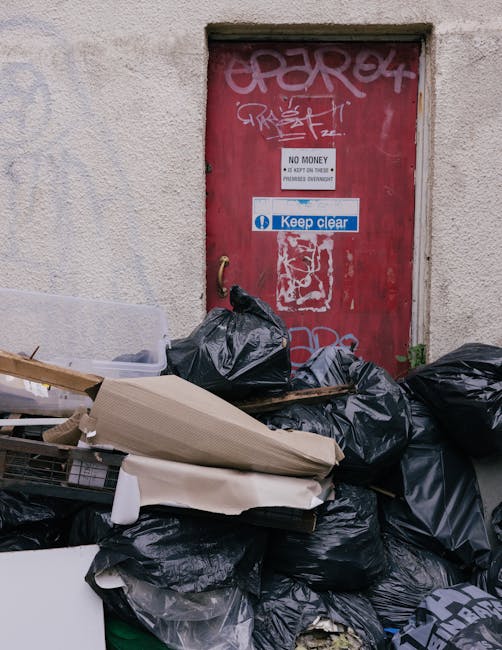
Most bulk waste problems are not caused by bad intent. They are caused by assumptions.
- Leaving items out too early - this can lead to obstruction or complaints.
- Mixing prohibited or special waste with ordinary bulky items - one wrong item can spoil the whole load.
- Not checking building rules - some blocks require notice, lift protection, or specific collection windows.
- Underestimating the volume - what looks like "just a few bits" can turn into a much larger job.
- Forgetting parking and access - a collection is only easy if the vehicle can actually get in and out.
- Choosing on price alone - cheap can be fine, but not if it leads to hidden extras or poor handling.
There is a useful related point here: quotes should be clear. If you want to understand how costs are usually presented and where people get tripped up, take a look at hidden fees in Marylebone rubbish quotes. It is a good reminder that clarity beats optimism every time.
Tools, Resources and Recommendations
You do not need fancy software to handle bulk waste well. Mostly you need a bit of planning and the right local service pages to compare your options.
| Need | Best fit | Why it helps |
|---|---|---|
| Large mixed household clearance | House clearance | Useful when bulky waste is part of a larger clear-out |
| Broken sofa, chairs, tables, or wardrobes | Furniture removal | Good for item-by-item removal without overcomplicating things |
| Fridges, freezers, washers, dishwashers | White goods and appliance disposal | Helps with safer handling of heavier electrical items |
| Garden cuttings and outdoor clutter | Garden waste removal | Keeps green waste separate from general bulk items |
| Office desks, chairs, shelving, files | Commercial waste removal | Better suited to business premises and office turnover |
If you are still mapping out your options, the broader services overview is a sensible starting point. For reassurance on standards, it also helps to review waste carrier licence and compliance, plus the recycling and sustainability approach. That part is easy to ignore until it suddenly becomes the part that matters most.
Law, Compliance, Standards, or Best Practice
Bulk waste disposal sits inside a wider framework of duty of care, property access, and responsible waste handling. You do not need to be a legal expert, but you should know the basics.
First, waste should be passed to a properly authorised carrier or collection route. That means you should avoid handing items to anyone whose credentials are unclear. If a removal looks too casual, that is usually a bad sign. It is not glamorous, but it matters.
Second, some items need separate handling because of material type or risk. Electrical items, appliances, and mixed loads may not all be treated the same way. As a rule, the more awkward or heavy the object, the more sensible it is to confirm the process in advance.
Third, buildings in Marylebone often have their own rules. These might cover lift use, booking loading access, noise, or common areas. Even where the council allows a collection, the building might not. That mismatch causes a surprising amount of friction.
Best practice is straightforward:
- keep records of what is removed and by whom
- book through a trusted, licensed operator
- separate reuseable items where possible
- protect common areas during removal
- avoid leaving waste to drift into pavements or entrances
For businesses, compliance should also sit alongside privacy, safety, and payment clarity. Pages such as insurance and safety, payment and security, and terms and conditions are worth checking if you want a full picture before you book anything. Nobody loves the paperwork, but it beats a messy dispute later.
Options, Methods, or Comparison Table
Different bulk waste situations call for different methods. Here is a practical comparison.
| Option | Best for | Pros | Watch-outs |
|---|---|---|---|
| Council bulk waste route | Simple, planned household items | Familiar, structured, often suitable for straightforward needs | May be less flexible on timing or item mix |
| Private rubbish collection | Faster turnaround or mixed items | Flexible, direct, convenient for busy schedules | Check the quote carefully and confirm what is included |
| Specialist furniture or appliance removal | Heavy, awkward, or protected items | Safer handling, better suited to specific objects | May need item details in advance |
| Full clearance service | Major emptying of homes or offices | Most efficient when there is a lot to remove at once | Can be more than you need for a single item |
For many Marylebone residents, the choice comes down to speed versus simplicity. If you are clearing a single mattress, council arrangements may be enough. If you are emptying a flat, replacing several items, or dealing with awkward access, a dedicated removal service is usually less stressful. Not always cheaper, but often smoother.
Case Study or Real-World Example
Picture a typical Marylebone flat near a busy side street. The resident is moving out, the sofa no longer fits the new place, and there is a broken coffee table, an old mattress, and two small appliances waiting by the door. Nothing dramatic, but enough to make the hallway feel cramped.
At first, the plan is to leave everything out "later in the week" and hope it gets sorted. Then the building manager asks for notice, the lift booking needs to be confirmed, and the resident realises the fridge cannot just be dragged down the stairs without proper handling. Suddenly the simple job has become a whole chain of small tasks.
The better approach was to list the items, separate the appliance from the furniture, confirm access, and arrange a collection with a service that could handle mixed bulky items in one visit. The result was tidy, fast, and less disruptive to neighbours. The resident got the space back, and the building did not have to look at a half-finished pile by the entrance all afternoon.
That is the real point of getting bulk waste right. It is not just disposal. It is making the process feel calm enough that nobody has to think about it twice.
For similar situations, you may also find these local guides useful: same-day bulky waste removal in Marylebone, reducing clearance disruption for W1U flats, and Dorset Square house clearance tips. They each cover a slightly different angle, which is handy when the job is not quite straightforward.
Practical Checklist
Use this before any bulky waste collection in Marylebone.
- Have I identified every item that needs to go?
- Do any items need special handling, such as appliances or electricals?
- Have I checked building rules, access, and parking?
- Do I know whether this is council collection or private removal?
- Are the items grouped and ready to move?
- Have I taken photos if I am requesting a quote?
- Have I confirmed the collection window and any access requirements?
- Will the route out of the property stay clear on the day?
- Have I separated anything reusable or recyclable?
- Do I know who to contact if the plan changes at short notice?
Quick summary: the cleaner the plan, the easier the collection. Keep it simple, keep it safe, and do not leave it until the last minute if you can help it. That last-minute scramble is rarely worth it.
Get a free quote today and see how much you can save.
Conclusion
Westminster Council rules for bulk waste in Marylebone are really about one thing: keeping disposal organised in a busy, space-limited part of London. If you understand what counts as bulky waste, how items should be handled, and when a private collection makes more sense, you can save yourself a lot of faff.
The best approach is usually the most practical one. Separate the items. Check the access. Confirm the booking. And choose the route that fits the job rather than forcing the job to fit the route. Simple, yes. But that is often what works best.
Marylebone runs better when things are handled with care, and bulky waste is no exception. Take the time to plan it properly, and the result feels lighter than it should. A bit of order goes a long way.