Reduce clearance disruption for flats on W1U estates
Posted on 18/06/2026
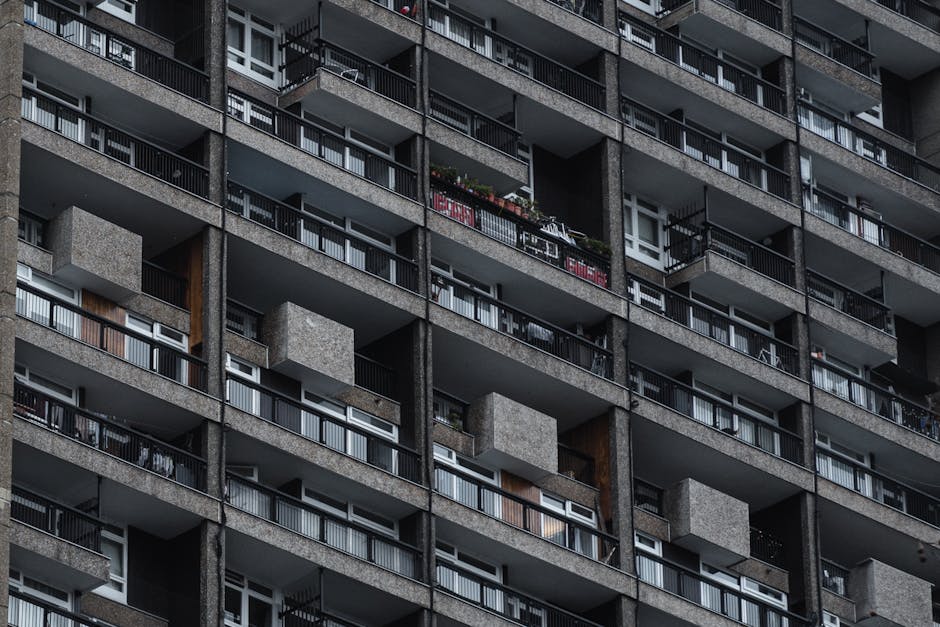
If you need to reduce clearance disruption for flats on W1U estates, the real challenge is rarely the removal itself. It is the timing, access, neighbours, shared entrances, lift use, noisy hallways, and the simple fact that one small delay can ripple through an entire block. Anyone who has tried to move bulky items through a tidy Marylebone stairwell at 8am will know what that feels like. A bit stressful, frankly.
This guide walks through the practical side of flat clearance in W1U estate settings: how to plan around residents, how to keep common areas clear, what to expect from a good clearance team, and where people usually run into trouble. It is designed for landlords, leaseholders, managing agents, tenants, and anyone handling a flat clearance without wanting to upset half the building.
We will keep it grounded, local, and useful. You will find a step-by-step approach, a comparison of clearance methods, a realistic example, a checklist, and a plain-English FAQ section that tackles the questions people actually ask. If you are comparing broader options too, it can help to look at waste clearance in Marylebone and the wider services overview before deciding how to proceed.
Why Reduce clearance disruption for flats on W1U estates Matters
Estate living is built around shared space. That is the simple truth. A clearance that works beautifully in a house can become awkward in a block of flats because every movement is visible, every trolley wheel sounds louder than it should, and every blocked corridor affects more than one household. In W1U, where many properties have compact layouts, older staircases, and busy access routes, disruption can build quickly if the job is not handled carefully.
There is also a neighbourly side to it. Most residents are fine with disruption when they know what is happening, how long it will take, and what steps are being taken to keep things tidy. What tends to frustrate people is surprise: furniture left in the lobby, bags parked near the lift, or vans blocking shared access during school-run hours. You can avoid a lot of that with a little planning.
For estate managers and landlords, the stakes are practical as well as social. A messy clearance can trigger complaints, delayed lettings, extra cleaning costs, and in some cases, a need for repeat visits. If the property is being prepared for sale or re-letting, disruption can slow down the whole process. That is why many owners pair clear-out work with related services such as house clearance in Marylebone or furniture removal services when they need a smoother handover.
Expert summary: The best way to reduce clearance disruption in a W1U flat is not to rush the removal. It is to control access, keep shared areas clear, communicate early, and choose a clearance method that fits the building rather than forcing the building to fit the job.
How Reduce clearance disruption for flats on W1U estates Works
At a practical level, reducing disruption means breaking the job into small, controlled stages. Instead of carrying everything out at once, a good clearance plan starts with a survey of what needs to go, how it will leave the property, and what parts of the building could be affected. That might sound obvious, but in real life it saves a lot of headaches.
A normal estate flat clearance usually follows a pattern like this:
- Assess the load. Decide whether you are clearing a few bulky items, a full flat, or mixed waste after a move, refurb, or tenancy change.
- Check access. Look at lifts, stairs, parking, loading bays, entry fobs, and any restrictions on shared routes.
- Plan timing. Choose a window that avoids school runs, peak commuting, bin day chaos, or concierge handover issues.
- Protect communal space. Use mats, corner protection, and sensible handling methods so hallways and lifts are not damaged on the way out.
- Sort items before moving. Keep re-usable items, recyclables, and general waste separate where possible.
- Clear in a single pass where possible. The fewer trips through common areas, the better.
On estates, the job is often less about brute force and more about choreography. One person holds a door, another guides the trolley, another checks the lift is free, and the van is loaded in the most direct route possible. It sounds almost too neat, but that is the point. Good clearance work should feel calm, not dramatic.
For mixed waste or heavier loads, it can help to use a service that is used to local access constraints. A team experienced in rubbish collection in Marylebone or Marylebone junk removal will usually understand narrow entrances, parking pressure, and building etiquette better than a generic, one-size-fits-all approach.
Key Benefits and Practical Advantages
The obvious benefit is less noise and less mess. But the real value goes deeper than that. A well-managed clearance supports the building as a whole, not just the flat being emptied.
- Fewer neighbour complaints: Residents are less likely to object when access is kept clear and the work is predictable.
- Lower risk of damage: Protecting common areas reduces the chance of scratched walls, chipped lifts, or stained flooring.
- Faster turnaround: Good planning usually means fewer delays, fewer repeated visits, and less time with the flat out of action.
- Better compliance: Sorting waste properly makes recycling and disposal easier, especially for items like appliances and furniture.
- Less stress for everyone: Truth be told, the human benefit matters. A calmer process is easier on residents, caretakers, and managers alike.
There is also a financial upside. A tidy, well-organised clearance can avoid the hidden costs that come from rushed decision-making: extra labour, damage repairs, failed lift bookings, or a second visit because someone forgot to mention the loft contents. If you want to avoid nasty surprises, it is worth reading about hidden fees in Marylebone rubbish quotes before you confirm any job.
And yes, it can make a property more presentable. Whether you are preparing for new tenants, a sale, or a refurbishment, a smooth clearance creates that first impression of order. On a wet Tuesday morning in W1U, that matters more than people admit.
Who This Is For and When It Makes Sense
This approach is useful for anyone managing clearance in a flat on a W1U estate. That includes:
- Landlords dealing with end-of-tenancy rubbish, old furniture, or abandoned items
- Managing agents coordinating access and protecting shared spaces
- Leaseholders clearing out storage, bulky belongings, or renovation leftovers
- Tenants moving out and trying to leave the flat tidy without upsetting neighbours
- Executors or family members handling a sensitive flat clearance after a bereavement
- Tradespeople who need post-work waste removed without leaving the block in a state
It makes sense whenever the building layout adds friction. If the lift is small, the stairwell is tight, the entrance is shared, or the estate has firm rules about parking and loading, the case for careful planning becomes obvious very quickly. You do not need a major clearance for this to matter either. Even a couple of armchairs and a washing machine can become a nuisance if they are moved badly.
If the job is part of a broader property handover, it can help to pair it with relevant guidance such as property transactions in Marylebone or local context from resident insights on Marylebone living. Not because those posts solve the clearance itself, but because the wider property picture often influences timing and urgency.
Step-by-Step Guidance
Here is a straightforward process that works well for estate flats. It is not flashy, but it does the job.
1. Start with a room-by-room list
Walk through the flat and note everything that is staying, being donated, being recycled, or going to disposal. A rough list is fine, but be specific about bulky items. "Furniture" is too vague; "two-seater sofa, dismantled bed frame, broken TV stand" is much more useful.
2. Measure access, not just the contents
Measure door widths, hallway pinch points, lift dimensions, and any awkward bends on the stairwell. People often focus only on whether the item fits through the flat door. The real problem is usually what happens after that.
3. Book the right time window
Choose an off-peak slot if possible. Early morning can work well in some buildings, but not if it clashes with school traffic or concierge shifts. Midday may be calmer. The best slot depends on the estate, not the calendar. That is one of those details that sounds small until you get it wrong.
4. Alert the right people
Tell neighbours, concierge staff, or management if the clearance will affect shared areas. You do not need a grand announcement. A simple note with timing, access notes, and contact details is usually enough.
5. Separate items before removal day
Set aside documents, keepsakes, valuables, and anything needing special disposal. Appliances, mattresses, and upholstered items may need separate handling. If white goods are involved, check whether you need a specialist route such as white goods and appliance disposal.
6. Use the shortest possible route
Keep the removal path free of coats, shoes, recycling bags, and anything else that forces workers to stop and start. In a busy block, every pause adds friction. One clear route is better than three clever ones.
7. Clear and clean after loading
Once items are out, check the route again. A quick sweep of the flat entrance, lift threshold, and stair corners makes a big difference. The place should look as though the clearance was handled by adults. Simple, but useful.
If the clearance follows recent building work, you may also need support with builders waste disposal in Marylebone. That tends to be heavier, dustier, and a bit less forgiving than domestic waste, so the planning needs to be tighter.
Expert Tips for Better Results
These are the little habits that make a clearance noticeably smoother. Not revolutionary. Just the kind of practical details that save time and tempers.
- Use labels on bags and boxes. It speeds up sorting and reduces mistakes when several people are helping.
- Keep one person in charge. Too many instructions from different residents can get messy fast.
- Protect the lift before the first item moves. Waiting until damage happens is, to be fair, the expensive way to learn.
- Avoid stacking items in communal areas. Even temporarily. It makes the building look cluttered and can create obstruction issues.
- Choose recyclable segregation early. Do not leave sorting to the end of the job when everyone is tired.
- Plan for awkward items first. Get the heavy sofa or bulky wardrobe out while energy levels are highest.
A small but important tip: keep residents informed in plain language. "We will be removing items between 9 and 11, using the rear loading route, and avoiding lift blockages where possible" is much better than a vague "clearance happening tomorrow." People relax when they know what to expect.
If you are working near busier streets or landmark areas, local timing matters even more. You may find it helpful to skim a Marylebone High Street rubbish removal guide or fast pickup tips near Baker Street for a sense of how movement and access tend to work in the neighbourhood.

Common Mistakes to Avoid
Most disruption is not caused by the clearance itself. It is caused by planning gaps. The usual offenders are easy to spot once you have seen a few of these jobs.
- Underestimating the amount of waste. That spare room always contains more than people remember.
- Forgetting access restrictions. A booked truck is no help if the estate allows loading only at certain times.
- Leaving items in hallways "just for a minute." Those minutes have a funny way of turning into a complaint.
- Ignoring fragile shared surfaces. Corners, skirting, lift doors, and tile edges need protection.
- Mixing reusable items with rubbish. It slows things down and can increase disposal costs.
- Using the wrong disposal route for special items. Fridges, mattresses, paint, and electricals are not all handled the same way.
Another common mistake is trying to do everything at once because the flat needs to be empty "today." Sometimes urgency is real, especially with tenancy deadlines or sales. But rushing often creates more disruption, not less. A calmer, staged approach usually wins.
And let's be honest, nobody wants to be that person who blocks the lift while the concierge is on the phone and two neighbours are waiting with shopping bags. It happens. Better to avoid it.
Tools, Resources and Recommendations
You do not need a warehouse of equipment to manage a smooth clearance. A few practical tools can make a big difference.
| Tool or resource | Why it helps | Best used for |
|---|---|---|
| Furniture blankets or corner protection | Reduces damage to walls, doors, and lifts | Shared hallways and tight turns |
| Labels and marker pens | Keeps items sorted and avoids confusion | Room-by-room clearances |
| Trolley or sack truck | Speeds movement and reduces lifting strain | Bulky boxes, appliances, heavy bags |
| Photo log on a phone | Creates a simple record of what was removed | Landlords, agents, sensitive clearances |
| Building access notes | Prevents wasted trips and blocked entries | Managed estates with parking or lift rules |
For some jobs, you will also want a provider that can handle multiple waste streams in one visit. That may include furniture disposal, general waste disposal, or even commercial waste removal where the flat is being used as part of a mixed-use or business arrangement.
If the job is tied to a larger estate or long-term property plan, it can also be useful to review Marylebone real estate guidance. That is not a clearance tool, obviously, but it can help frame whether speed, presentation, or cost should come first.
Law, Compliance, Standards, or Best Practice
Clearance work in London is not only about convenience. There are compliance basics worth respecting. The exact obligations can vary depending on the waste type and who is arranging removal, so if in doubt, get a qualified provider to confirm the handling route rather than guessing.
Here are the main best-practice points to keep in mind:
- Use a licensed waste carrier. This is one of the simplest ways to reduce risk. If someone removes waste illegally, the original holder of the waste can still face problems.
- Keep records where appropriate. For landlords, agents, and businesses, a paper trail of what was removed and when can be very helpful.
- Handle electrical and bulky items correctly. Fridges, monitors, and appliances should not be dumped casually or left in shared areas.
- Respect estate rules. Many blocks have specific requirements for loading, lift booking, parking, and noise.
- Protect health and safety. Clear routes, safe lifting, and sensible PPE matter on stair-heavy buildings.
If you want to check how a provider approaches responsibility, a good place to start is usually their waste carrier licence and compliance information and insurance and safety details. Those pages should give you a clearer sense of whether they are set up to work properly in occupied buildings.
For ethically minded clients, it can also be reassuring to know that wider operational standards matter too. Pages like the modern slavery statement and relevant policy pages show whether a business takes its responsibilities seriously beyond the job itself. That kind of thing may not sound glamorous, but it is part of trust.
Options, Methods, or Comparison Table
Not every flat clearance needs the same method. In fact, choosing the wrong one is a common reason estates feel disrupted. Here is a simple comparison of the main approaches.
| Method | Best for | Pros | Drawbacks |
|---|---|---|---|
| Full man-and-van clearance | Busy flats, bulky items, one-day clearances | Fast, direct, usually minimal resident disruption | Can be overkill for very small jobs |
| Phased clearance | Large flats, hoarded rooms, sensitive family clear-outs | Easier on residents and easier to sort | Takes longer and needs better coordination |
| Resident-led sorting with collection support | Simple household clearances | Low cost, good for recycling decisions | Can become messy without a clear plan |
| Specialist item removal | Appliances, furniture, awkward single items | Efficient for one-off bulky pieces | May need multiple booking types if the flat also has general waste |
For many W1U estate flats, the sweet spot is a combination: sort ahead of time, then use a focused removal team for the bulky or awkward items. That way, you keep disruption down without turning the flat into a holding bay for rubbish.

Case Study or Real-World Example
Here is a typical scenario. A leaseholder in a W1U estate needed to empty a one-bedroom flat after a long tenancy. The flat had a sofa, a dismantled bed, a broken desk, several bags of mixed household waste, and a fridge freezer that could not simply be left outside. The building had a small lift, narrow corridors, and a shared courtyard used by residents most mornings.
Instead of treating it like a normal domestic clear-out, the job was planned around the building:
- The lift was booked for a specific window.
- Residents were notified in advance.
- The team entered via the least disruptive route.
- Fragile corridor edges were protected.
- Furniture came out first, then loose waste, then the appliance.
The key thing was sequencing. Nothing was left in the hallway, and there was no juggling of unrelated items. The flat was cleared in one go, the communal areas were left tidy, and neighbours barely had reason to notice beyond a few minutes of low-level activity. That is exactly what you want in a block like this. Not invisible, just uneventful.
For a similar kind of job involving mixed items, a service such as house clearance Marylebone or loft clearance Marylebone may be more suitable than a basic one-item collection, especially if the flat contains storage overflow as well as living-room furniture.
Practical Checklist
Use this before the clearance day. It is not fancy, but it helps.
- Confirm what is being removed and what is staying
- Measure lift, stairs, and doorway access
- Check estate rules for parking and booking windows
- Tell residents or concierge staff if shared space will be used
- Set aside valuables, documents, and sentimental items
- Separate appliances, furniture, and general waste where possible
- Choose a time slot that avoids peak building traffic
- Protect walls, corners, and lift interiors
- Make sure the route from flat to vehicle is clear
- Take a final walk-through after the job is done
If you are still at the planning stage, a quick look at pricing and quotes can help you understand the kind of information a provider will need before they can give an accurate figure. And if you want to understand payment flow and booking confidence, payment and security is worth a look too.
Get a free quote today and see how much you can save.
Conclusion
Reducing clearance disruption in flats on W1U estates is really about respect: respect for the building, for the neighbours, for the access rules, and for the person living through the clearance. When the plan is thoughtful, the job feels smaller, calmer, and more manageable than it first looked. That is the difference between a stressful block-wide nuisance and a tidy, professional clear-out.
In practice, the best results come from simple habits done well: sort early, communicate clearly, keep routes open, use the right disposal method, and choose a team that understands shared-living logistics. Nothing magical. Just sensible work, done with care.
And if you are facing one of these clearances now, take a breath. It is usually more controllable than it feels at first glance. One good plan, and the whole thing gets easier.


